
Public Eye Health/ Community Ophthalmology
A field-oriented pathway for professionals committed to improving access, equity, and eye health outcomes in underserved communities.
Programme Overview
About the Public Eye Health/ Community Ophthalmology Programme
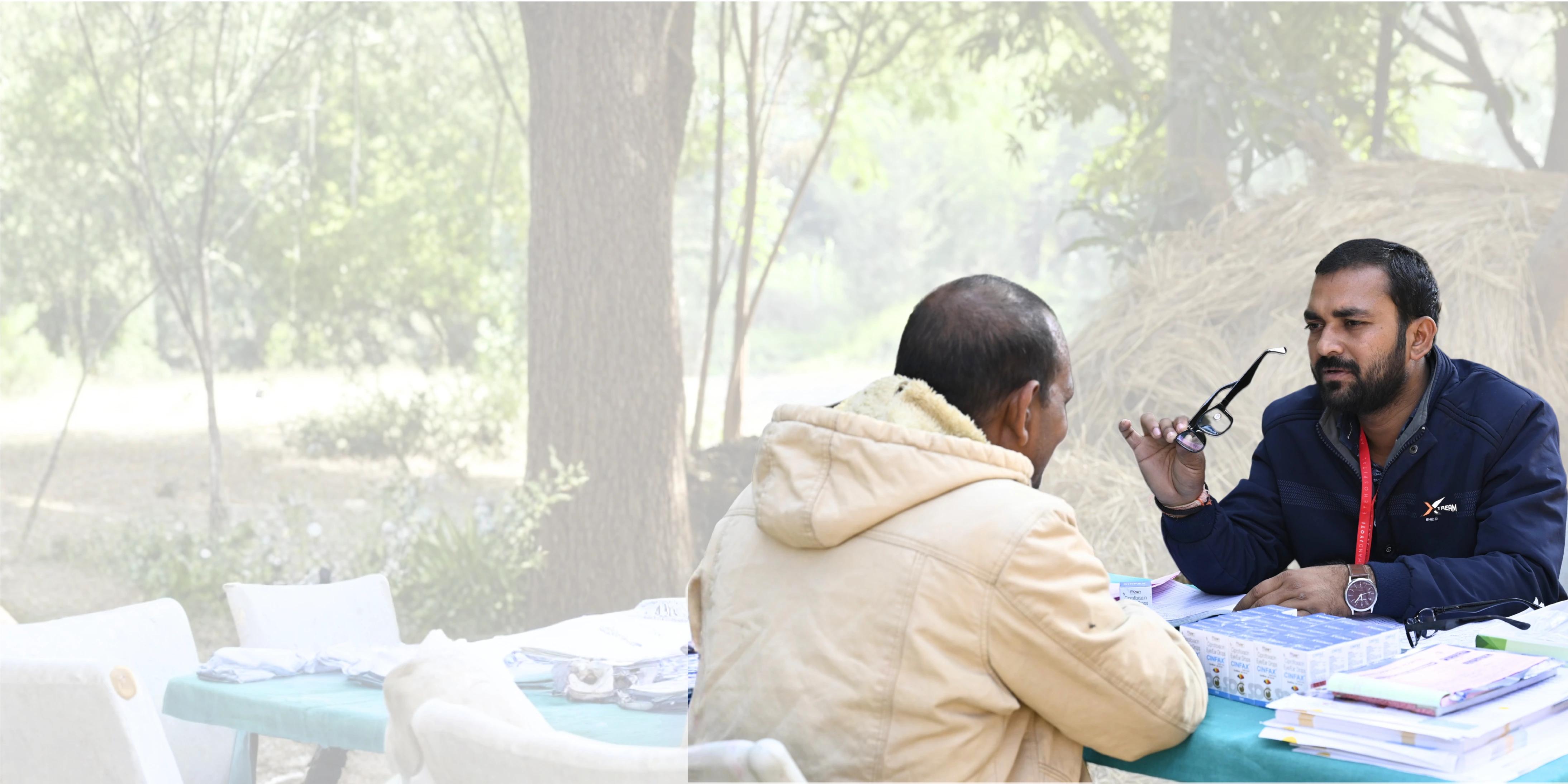
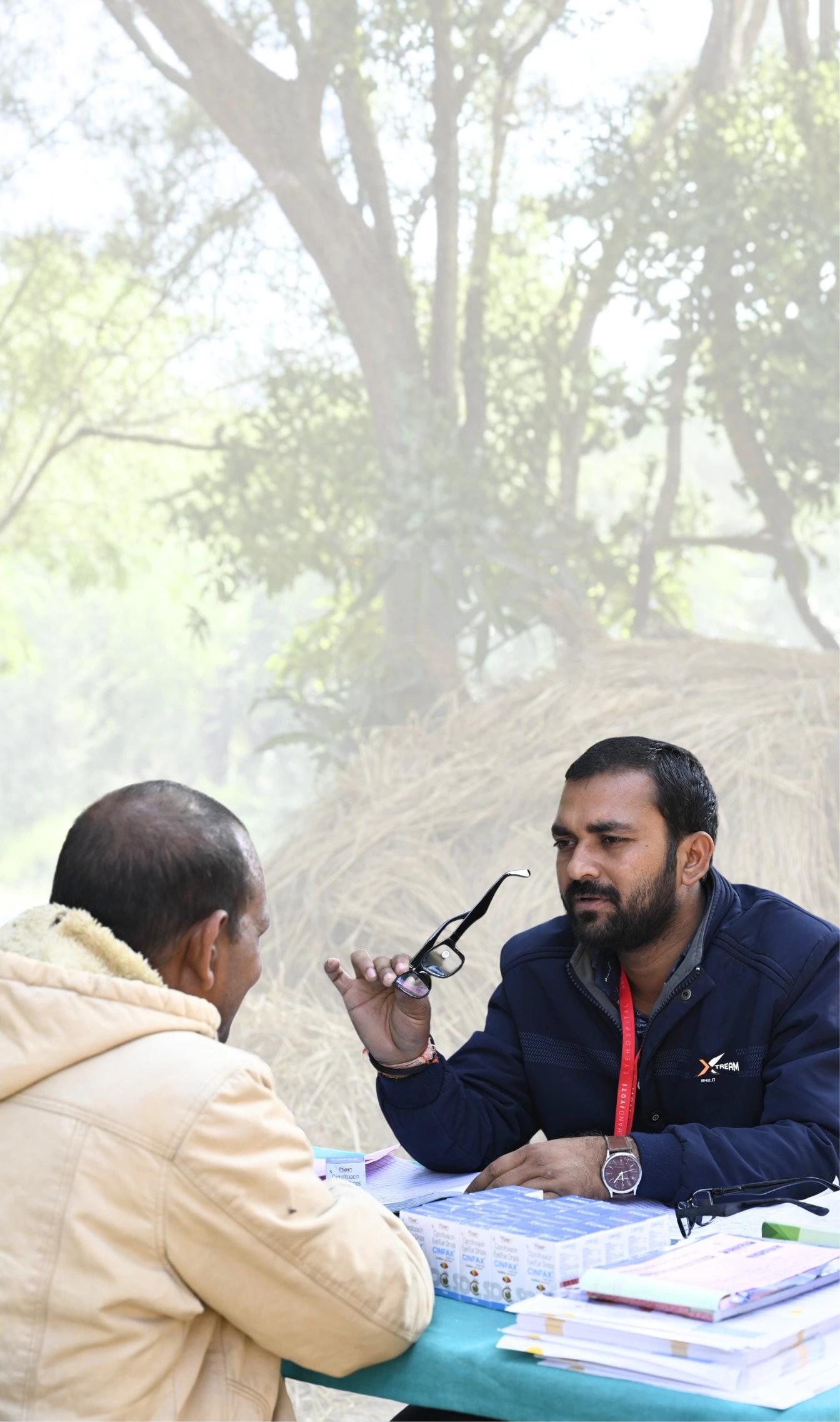
The Public Eye Health / Community Ophthalmology Programme at AJICO is designed for professionals who want to improve eye health outcomes beyond hospital walls. The programme explores how screening, referral systems, community engagement, service delivery models, and public health strategies can expand access to quality eye care, especially in underserved populations. Through field exposure and practical learning, participants gain a deeper understanding of how sustainable eye health systems are built and strengthened at the community level.
Helps You Improve Eye Health Beyond Hospital Walls
The programme is designed to help participants develop:
- an understanding of how eye health services are planned, delivered, and scaled within communities
- knowledge of screening programmes, referral pathways, and population-based approaches to eye care
- insights into the social, economic, and geographic factors that influence access to care
- the ability to design and strengthen community-based eye health interventions
- skills in outreach planning, service delivery, monitoring, and programme evaluation
- an appreciation for equity, inclusion, and last-mile healthcare delivery
- practical perspectives on building eye health systems that improve outcomes for underserved populations
Understanding Eye Health at Population Scale
The programme encourages participants to look beyond individual patients and understand the broader factors that influence access, equity, and outcomes. Learning is grounded in real community settings where public eye health challenges and solutions become visible.
What You Will Cover
Curriculum
Epidemiology & Eye Health Systems
- Burden of blindness — global, national, and Bihar-specific data
- Epidemiological study design and sampling for eye health surveys
- RAAB (Rapid Assessment of Avoidable Blindness) methodology
- District and sub-district health system mapping and analysis
Field Surveys & Programme Evaluation
- Community eye health survey design and field implementation
- Evaluating government and NGO eye health programmes
- Health economics basics — cost-effectiveness and cost-utility analysis
- Stakeholder engagement — government, ASHAs, NGOs, and communities
Policy, Writing & Dissemination
- Evidence-to-policy translation — frameworks and practice
- Policy brief writing for state and national health programmes
- Advocacy, communication, and evidence packaging for non-academic audiences
- Capstone project — independent programme evaluation or survey report
Who Should Apply
Eligibility & Selection
Eligibility Criteria
- 1Masters or MBBS degree in public health, epidemiology, medicine, or a related field
- 2MPH, MSc (Epidemiology), or equivalent qualification preferred
- 3Genuine interest in population health, health systems, and evidence-based policy
- 4Clinical experience not required; analytical and communication skills are essential
How to Apply
- 1Submit application with CV, academic records, and a 400-word statement of purpose
- 2Shortlisting based on academic background and stated research/policy interest
- 3Interview with research faculty — assessing analytical thinking and field readiness
- 4Final offer based on merit and alignment with AJICO's active public health work
Download the Prospectus
The AJICO prospectus covers all programmes, admission requirements, stipend structures, campus facilities, and the application process in detail. Download or request a copy to be sent to you.
AJICO Prospectus 2026–27
Includes all 8 programmes, faculty profiles, eligibility criteria, stipend details, campus overview, and application timeline.
PDF · Updated April 2026
Frequently Asked Questions
Helpful answers to questions that may arise as you explore this page.
What distinguishes the Public Eye Health Fellowship from clinical programmes?
What qualifications are required to apply?
What is the duration of this fellowship?
What kind of fieldwork is involved?
Will I receive support in applying for further positions after the fellowship?